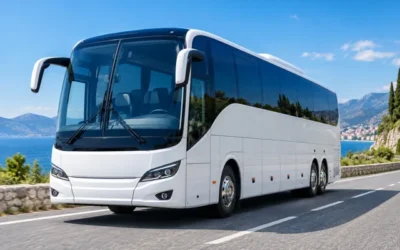

I travel for work almost every month and I stopped renting a car a year ago. It wasn’t a philosophical decision — it was that one day I calculated how much time I was spending in traffic on my way out, looking for a place to leave the car, and deciding whether it was worth returning it with a full tank or paying the difference. The truck took that problem away completely.
Why trucks win in short and medium distances
For distances where the plane doesn’t compensate for the transfer to the airport or check-in, the truck comes out ahead: you leave a central terminal, avoid the city’s rush hour traffic by driving yourself, and you work on the way if the unit has WiFi or USB — something you’ll never do while driving. I use this logic on routes like CDMX–Aguascalientes (GEB and Primera Plus, from Terminal Norte) or CDMX–Villahermosa (ADO GL and AU, also from Terminal Norte), depending on where the meeting is.
How I choose my schedule
I compare the available departures on the same day I plan to buy my ticket; not weeks in advance with a schedule that has already changed. I choose based on the meeting time, not the other way around — arriving with a margin is worth more than saving half an hour on the departure time.
What I'm wearing
- Charger and something to work on the road, if the trip allows it.
- Clothes for one or two days — nothing that doesn’t fit in carry-on luggage.
- The ticket already purchased and confirmed before leaving home, not purchased at the terminal.
Where I'm staying
For business trips, I prioritize simple and well-located accommodations. City Express by Marriott They are designed specifically for this type of short and functional stay—nothing elaborate, just what you need to arrive rested for the meeting the next day.
If your next business trip has a fixed route, compare it in BUZ Before booking the car, you didn't even need it.